


The Complete Guide to Extension Power Cords: Types, Uses & How to Choose the Right One
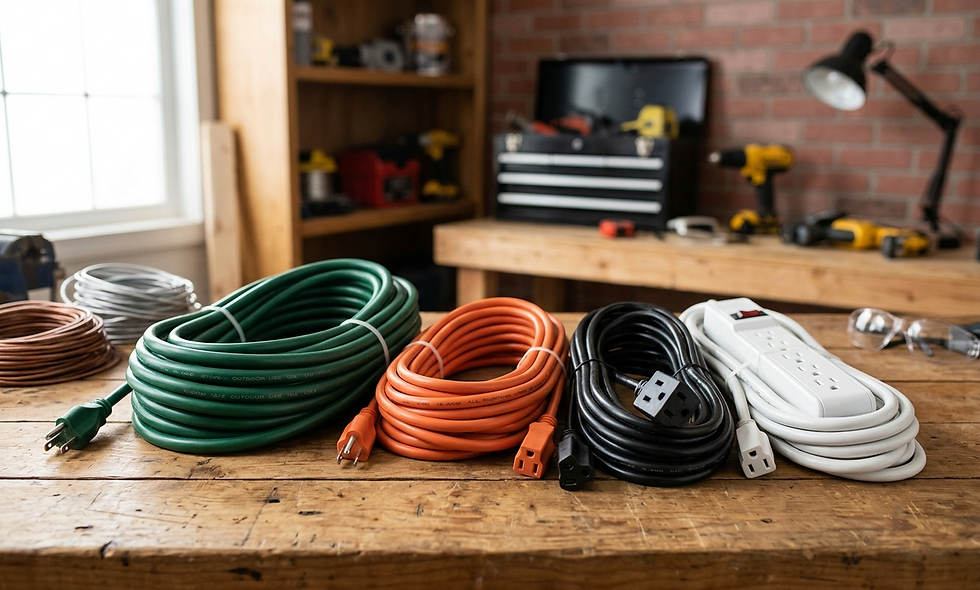
An extension cord is one of those everyday items that rarely gets a second thought until the moment it's needed. Whether you are powering a workstation, running holiday lights across the yard, or plugging in a space heater in a room without enough outlets, the right extension cord can make the difference between a safe, reliable connection and a fire hazard.
This guide breaks down everything you need to know about extension cords: how they are built, the different types available, when to use an outdoor extension cord versus an indoor one, and the key factors that separate a safe purchase from a risky one.
What Is an Extension Cord and Why Gauge Matters
At its core, an extension cord is simply a length of flexible cable with a plug on one end and one or more sockets on the other, designed to extend the reach of a power source. But not all extension cords are created equal, and the biggest factor separating a safe cord from a dangerous one is wire gauge.
Wire gauge refers to the thickness of the copper conductor inside the cord, measured using the American Wire Gauge (AWG) system. Counterintuitively, a lower gauge number means a thicker wire and a higher current-carrying capacity. A thin, lightweight cord might be rated 18 AWG, while a heavy-duty cord built for power tools or appliances could be 12 AWG or even lower.
Common Types of Extension Cords
Extension cords are generally categorized by where and how they're used. Understanding these categories makes it much easier to choose the right one.
Indoor Extension Cords
Indoor extension cords are designed for household and office use powering lamps, chargers, small electronics, and appliances. They typically use lighter insulation since they aren't exposed to moisture, sunlight, or temperature extremes. These cords are not rated for outdoor use, and using one outside can create a serious shock or fire risk if it comes into contact with rain or damp ground.
Outdoor Extension Cords
An outdoor extension cord is built with thicker, more rugged insulation (often SJTW-rated) that resists water, UV exposure, and temperature swings. These cords are essential for powering lawn equipment, holiday lighting, power tools on a job site, or anything used in a garage, patio, or yard. Many outdoor extension cords also feature bright-colored jackets for visibility and improved cold-weather flexibility, since standard indoor cords can become stiff and crack in low temperatures.
Heavy-Duty Extension Cords
Built with a thicker gauge (often 12 or 14 AWG) and rugged jacketing such as SJTW, heavy-duty extension cords are designed for high-wattage tools, generators, and industrial equipment. They're a good choice any time you're running something with a motor saws, compressors, pressure washers since these devices draw significant current at startup.
Multi-Outlet Extension Cords
These cords include multiple sockets on a single extension, letting you power several devices from one outlet. They're popular in offices, workshops, and entertainment setups where multiple low-draw devices need to run simultaneously. It's important not to overload a multi-outlet cord the combined wattage of everything plugged in should stay well within the cord's rated capacity.
Universal Power Cords and Cables
For electronic equipment that uses different connection standards, a universal power cord can provide a convenient way to connect compatible devices to a power source. Universal cables are available in different configurations to support a range of equipment and connection requirements, while the right power cable should always be selected based on the device’s connector type, voltage, amperage, and intended application. Checking these specifications helps ensure a secure and reliable connection.
Key Factors to Consider Before Buying
1. Wattage and Amperage Requirements. Before buying any extension cord, check the wattage or amperage rating of the device you plan to power. Every cord has a maximum load it can safely handle, and exceeding that limit is a leading cause of overheating. As a rule of thumb, higher-wattage devices like heaters, power tools, and appliances need a heavier-gauge cord, while low-draw electronics can use a standard cord.
2. Length. Cord length matters more than most people realize. Longer cords experience more voltage drop, which can reduce the performance of the connected device and, in extreme cases, cause overheating. Always choose the shortest cord that comfortably reaches your outlet, and if a longer run is unavoidable, step up to a thicker gauge to compensate.
3. Indoor vs. Outdoor Rating. Never substitute an indoor cord for outdoor use, even for a short-term project. Outdoor-rated cords are built to handle moisture and temperature extremes that would otherwise degrade the insulation and expose the wiring, creating a serious shock hazard.
Final Thoughts
Extension cords might seem like a simple, low-stakes purchase, but choosing the wrong one can lead to overheating, equipment damage, or worse. By understanding wire gauge, matching the cord type to your environment (indoor vs. outdoor), checking wattage requirements, and looking for proper safety certifications, you can make a purchase that's both safe and built to last.
Comments